Kitchen Remodeling Ad Campaigns in Los Angeles, CA
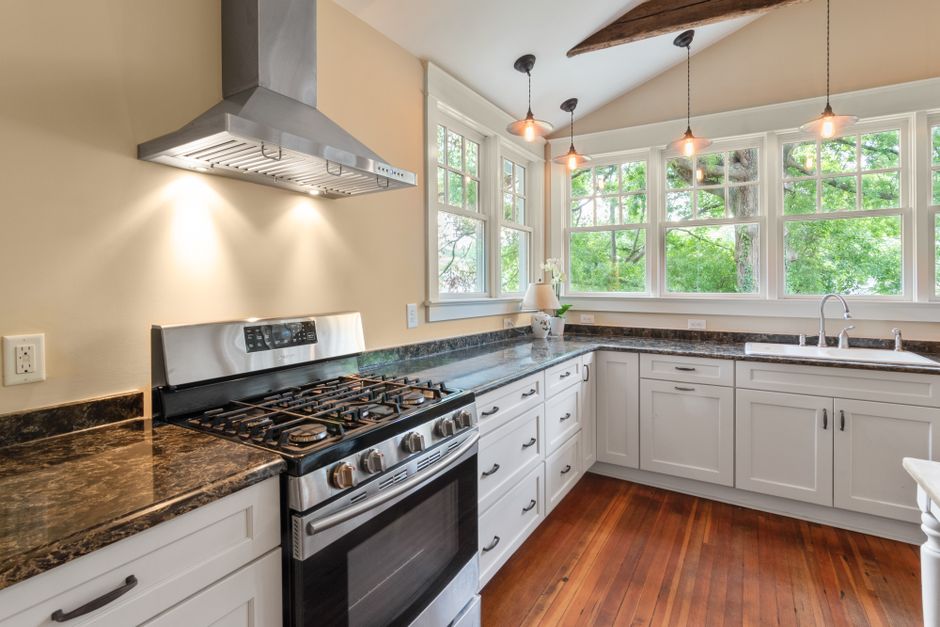
Practical notes on planning and running advertising for a kitchen remodeling company in Los Angeles, CA: timing, channels, project photo creative, consult offers and results.
What We Cover
- How Do Real Project Photos Make Better Kitchen Remodeling Ads Why finished-job photography from Los Angeles homes beats stock imagery in kitchen remodeling ad creative.
- How Wide Should Ad Targeting Reach Across Los Angeles Setting the ad service area for a kitchen remodeler across Los Angeles County, traffic patterns and neighborhood differences.
- How Should a Kitchen Remodeler Frame an Offer in an Ad Presenting open design consult slots as the offer in Los Angeles kitchen remodeling ads instead of discounts.
- How Do You Judge Kitchen Ads by Booked Consults Reviewing kitchen remodeling ad campaigns in Los Angeles by consults booked rather than clicks and form fills.
- When Should a Los Angeles Kitchen Remodeler Run Ads During the Year How seasonal timing, permit cycles and planning habits shape when kitchen remodeling ads earn their keep in Los Angeles.
- Which Ad Channel Fits Which Goal for a Kitchen Remodeler Matching search ads, map ads, social ads and video to the specific goal a kitchen remodeling company has in Los Angeles.
Kitchen Remodeling Ad Campaigns in Los Angeles, CA
Advertising a kitchen remodeling company in Los Angeles is a different job from advertising a plumber or a restaurant. The purchase is large, the planning stretches over months, and the homeowner usually talks to several companies before booking a design consult. Campaigns built for that reality look quite different from campaigns built for quick sales.
Why timing and channel choice matter
A homeowner in Pasadena may start collecting ideas in winter and not sign until summer. Another in Silver Lake may search once, see a map listing, and call the same evening. Search ads, map listings, social images and short videos each reach people at a different stage, so each needs its own goal and its own budget line across the year.
Creative that looks like the real work
Photographs of finished kitchens in actual Los Angeles homes carry more weight than stock images. A bungalow galley, a San Fernando Valley ranch house and a Westside open plan each tell a viewer something specific. Offers framed as open design consult slots fit the way remodeling is really sold, because the designer's time is the scarce thing.
Service area and results
Los Angeles County is large, and traffic decides which neighborhoods a crew can serve. Targeting that follows real drive times to Santa Monica, Glendale and beyond avoids wasted clicks. Projects that need review by the Los Angeles Department of Building and Safety also stretch the timeline, which is why results are best judged by consults booked and contracts signed, not by clicks alone.
Guides
The pages here cover seasonal timing, matching channels to goals, building ad creative from project photos, framing offers as consult availability, setting the service area, and reviewing results by booked consults. Each one is written for the owner of a kitchen remodeling business in Los Angeles, CA.
Latest Guides
What Happens in the First Day After a Kitchen Remodeling Inquiry Arrives
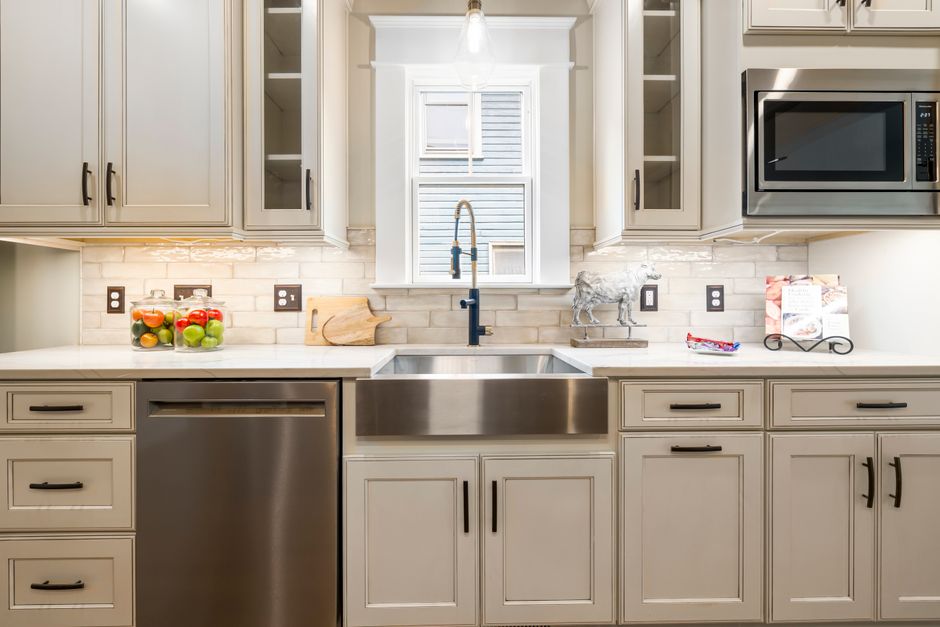
Most of the money a kitchen remodeling company spends on advertising is lost in the first day after the inquiry arrives, not in the ad itself. A homeowner who filled in a form on the Westside on a Tuesday night has probably filled in two others. Whoever answers first, and answers like a person who has done this work, usually gets the visit. What follows is a practical way to handle the hours between an inquiry and a booked consult.
Why does the first response matter so much?
A kitchen remodel is a large decision, but the first step is small: a conversation. Homeowners judge a company by how it behaves before it has earned anything. A reply that arrives the same day suggests a business that runs on schedule. A reply that arrives after a weekend suggests the crews may also be hard to reach once work begins on a house.
The owner does not need a perfect answer. The first message only needs to confirm that someone read the inquiry, name the person who will follow up, and propose a way to talk.
What should the first message say?
Keep it short and specific to the inquiry. Mention the neighborhood or the type of room the person described, so they can tell it is not a template. A homeowner who wrote about a narrow galley kitchen in Silver Lake should see those words reflected back. Then offer two or three options for a call or a visit, so the reply is a choice and not an open question.
Avoid long paragraphs about the company. The homeowner has already seen the website. Avoid attaching large files in the first message, because they often land in spam folders.
Which channel should the company use to reply?
Use the channel the person used. If they called, call back. If they sent a form with a phone number, a short text message followed by a call works well. If they wrote an email, answer by email and offer a call. Most people in Santa Monica or Pasadena expect a text now, and many will answer a text when they would ignore a voicemail.
| How the inquiry arrived | First reply | Second attempt |
|---|---|---|
| Phone call, missed | Call back the same day and leave a short voicemail | Text the next morning with two time options |
| Website form | Text and email within the same business day | Phone call the following day |
| Map listing message | Reply inside the listing, then call if a number is given | Follow up in the same thread |
| Social message | Reply in the same thread and ask for a good time to talk | Move to phone once the person shares a number |
Who should make the call?
Ideally the person who will run the consult. A designer who has spoken to the homeowner on the phone arrives at the house already knowing the room and the concerns. When the owner of the company is the designer, this is easy. When a coordinator makes the first call, give that person a short list of questions and a clear way to hand over the notes.
What should the first call cover?
The call is not a sales pitch. It is a short interview with four aims:
- Learn what the homeowner wants to change and why now.
- Confirm the address is inside the area the crews can serve.
- Find out whether anyone else is involved in the decision, such as a partner or a landlord.
- Explain what the consult includes and how long it takes.
Listen for the reason behind the project. A family planning to host holidays has a different timeline from someone preparing a house for sale. A homeowner in Glendale who mentions a leak behind the sink has a problem to fix, and the plan should start there.
How do permits come up in the conversation?
If the project moves walls, plumbing or electrical, raise plan review early. In the city, that means the Los Angeles Department of Building and Safety, and homeowners are often surprised that drawings must be approved before work begins. Saying this on the first call sets an honest expectation about the calendar. It also separates people who want a quick refresh from those planning a true remodel, and the designer can schedule accordingly.
What if the homeowner does not answer?
Most people who do not answer are busy, not uninterested. A short sequence of follow ups, spread across a week or so, is reasonable: a call, a text, an email, and a final note that leaves the door open. Each message should add something, such as a photograph of a similar kitchen or a note about the next open consult slot, instead of repeating the same request.
Stop after the sequence ends. Pushing further turns a polite company into a pest, and the homeowner will remember. Record the inquiry as dormant so it can be revisited in a later season, since many kitchen projects start months after the first search.
How should the consult itself be booked?
Give a specific day and a window, not a vague promise to come by. Confirm by text the day before and again on the morning of the visit. Send the designer's name and a photograph so the homeowner knows who is arriving. Traffic across Los Angeles County makes arrival times uncertain, so give a window and a number to call if the designer is running late.
Ask the homeowner to have a few things ready: photographs of the current kitchen, any appliances already chosen, and a rough idea of the style they like. Remind them that permits and drawings come after the consult, so the first visit is about the room and the goals.
What should happen after the consult?
Send a written recap within a day. Include what was measured, what the homeowner wants, any concerns about plumbing, electrical or structure, and the next step with a date. A homeowner comparing three companies will remember the one that wrote clearly and promptly.
If the company needs time to prepare drawings or review the plan with its team, say how long it will take and keep to that promise. A missed date at this stage is read as a preview of the project itself.
How can a small company keep track of all this?
A shared sheet works as well as any software. Give each inquiry a row with the date, source, neighborhood, the person responsible, the last contact, the next step and the outcome. Review it each week. Rows that sit untouched are the clearest sign that follow up is slipping, and the sheet doubles as the record that connects each campaign to booked consults.
Add a column for the reason an inquiry did not move forward, using plain labels such as outside the service area, not ready, chose another company, or no response. After a season these labels show whether the problem lies in the ads, the follow up, or the fit between the company and the people it attracts.
One last point concerns the handoff when the company is busy. During the peak weeks, when crews are full and consult slots are scarce, the temptation is to let inquiries wait. A better habit is to reply anyway, state the next open date honestly, and offer to hold a place. Homeowners in Pasadena and across the San Fernando Valley understand a busy calendar. They do not understand silence.
What habits make the biggest difference?
Reply the same day, call the person the way they contacted the company, bring the designer into the first conversation, and write down what was said. None of these steps is complicated. They work because most competitors skip at least one of them, and a homeowner who feels listened to in the first day tends to remain engaged through the long weeks of planning and plan review that follow.
What Should the Page Behind a Kitchen Remodeling Ad Show
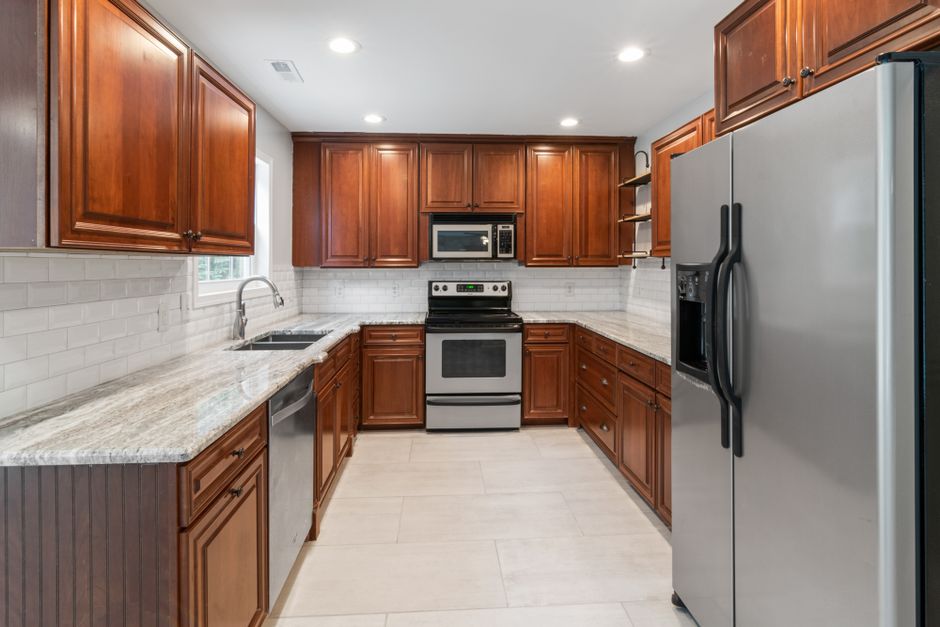
An ad can earn a click in a second and lose the homeowner in the next five. For a kitchen remodeling company in Los Angeles, the page that opens after the click carries most of the weight, because a person about to spend months planning a major project reads that page the way they would read a stranger at the front door. The questions below come up whenever owners sit down to rebuild the landing pages behind their campaigns.
What is a landing page for a kitchen remodeler actually for?
It has one job: move a homeowner from curiosity to a booked design consult. It is not the home page, and it should not try to tell the whole history of the company. A visitor who arrived from a search about remodeling a galley kitchen wants to see galley kitchens. A visitor who arrived from a map listing wants to know the company is real and close by. The page works best when it answers the single question that the ad raised and then makes the next step obvious.
Many companies send every ad to the home page because it is easy. The home page tries to serve every visitor, so it serves none of them well. A separate page for each campaign theme, even a plain one, usually holds attention longer.
How much should the page show, and in what order?
Start with a headline that repeats the promise in the ad, in plain words. Under it, put a large photograph of a finished kitchen that looks like the kind of house the visitor lives in. A bungalow owner in Silver Lake and a ranch house owner in the San Fernando Valley are not shopping for the same room, and the opening image tells them whether the company understands the difference.
After the photograph, give a short description of how a project moves from first visit to finished kitchen. Homeowners fear disruption more than almost anything else. A calm, specific explanation of the steps, such as measuring, drawing, plan review, ordering, demolition and installation, reduces that fear more than adjectives ever will.
Then show a handful of projects with a sentence on what was solved in each. Keep the list short. Three well described kitchens beat twenty unlabelled ones, because the visitor can actually read them.
Where do permits and plan review belong on the page?
Many kitchen projects involve electrical, plumbing or structural changes, and in the city those go through the Los Angeles Department of Building and Safety. Owners often have no idea this is coming. A short, honest paragraph that explains plan review exists, that it takes time, and that the company handles the paperwork tells the homeowner this is not a first attempt. It also filters out visitors who want a result in a few weeks and would have been disappointed later.
Do not bury this. Put it in the middle of the page, after the process steps, where a curious reader will find it while scanning.
Should the page promise a price or a discount?
The page should avoid quoting numbers it cannot stand behind. A kitchen is priced after measuring, choosing materials and understanding the house. A number on a landing page either scares off a good prospect or attracts a bad one. The offer that fits the work is time with a designer: open consult slots, a measure visit, a first layout sketch. These are real, they are limited, and they describe what the homeowner receives.
When the calendar is full, say so and name the next opening. Owners in Pasadena or Glendale who read an accurate message tend to wait for a slot rather than call a competitor, because the honesty counts as evidence of the company's workload.
How should the form or phone number work?
Give two ways to reach the company, a short form and a phone number, and make both visible without scrolling on a phone. Most visitors on the Westside and in Santa Monica will arrive on a mobile device, often in the evening, and a form with many fields is a reason to leave.
Ask only for what the first call needs: a name, a way to reach the person, the neighborhood, and a line about what they want to change. Everything else can wait for the consult. A field asking for a budget tends to produce either blank answers or guesses, and neither helps the designer.
After the form is sent, show a confirmation that says what happens next and roughly when. A vague thank you leaves the homeowner wondering whether anything arrived.
What proof helps most?
Real photographs, a clear statement of the license the company holds, and a short description of how long it has worked in the area help the most. Quoted praise is easy to fake and easy to distrust, so pages tend to work better when the work itself is the evidence. A before and after pair with a caption describing the layout change gives a visitor something concrete to judge.
Names of crews and designers, with a simple photograph, add warmth. A homeowner is about to let these people into the house for weeks. Seeing faces turns an abstract company into a group of individuals.
How fast should the page load?
Quickly enough that a visitor on a phone in the middle of Los Angeles County traffic does not give up. Large photographs are the usual cause of slow pages. Resize them to the width they are displayed at, and let those below the first screen load as the visitor scrolls. A page that appears at once, with the headline and the first image visible, feels more trustworthy than a heavier page that arrives in pieces.
Does one page need to match every neighborhood?
Not every neighborhood needs its own page, but the biggest service areas often justify it. A campaign aimed at Pasadena can mention the older homes and the mix of craftsman and mid century houses. One aimed at Glendale can speak to the hillside properties. The point is that the landing page sounds like it knows where the visitor lives. Only claim familiarity that the company has earned from actual projects in those places.
How do you know the page is working?
Look at how many visitors reach the form, but give more weight to how many of those become booked consults and then signed projects. A page that gets fewer form submissions but sends better prospects to the designers is doing a better job. Ask each caller which page they saw, and keep a simple record next to the consult notes.
Change one thing at a time. Swap the headline, wait for a full cycle of consults, and compare. Changing the photograph, the headline and the form together makes it impossible to say what moved the result.
What mistakes are most common?
- Sending all campaigns to the same page, whatever the ad promised.
- Opening with the company history instead of the visitor's problem.
- Using stock photography of kitchens that look nothing like local homes.
- Hiding the phone number on mobile.
- Asking for too much information before a first conversation.
- Leaving an old offer on the page after the calendar has changed.
Fixing any one of these usually improves results faster than changing the ad itself.
Where should a remodeler begin?
Pick the single campaign that brings the most clicks, write down what its ad promises, and check whether the page behind it repeats that promise in its first line and first image. If it does not, fix that before touching anything else.